
Stories
Store-Bought vs Homemade Pickle: What's Really Inside Your Favourite Achar?
Unpacking the Flavours and Facts of Your Beloved Achar

From the sun-kissed barnis of childhood to convenient supermarket jars, the journey of Indian pickles is fascinating. But what truly differentiates a store-bought vs homemade pickle? We delve into ingredients, preservatives, cost, and health aspects to help you make an informed choice.
The scent of mustard oil, earthy spices, and ripening mangoes… it’s an aroma etched into the memories of anyone who grew up in an Indian home. It brings to mind images of dadi meticulously sunning her mango achar, the pride in her eyes as she filled ceramic barnis, each one promising a burst of flavour for months to come. These were not just condiments; they were a labour of love, a piece of culinary heritage.
But today, our lives move at a different pace. The convenience of a gleaming jar from the supermarket shelf calls out, offering instant gratification. This brings us to a question many ponder: what truly differentiates store-bought vs homemade pickle? Is one inherently better, healthier, or more authentic than the other? Let’s peel back the layers and uncover the truth behind your favourite achar.
While store-bought pickles offer convenience and consistency, homemade pickles generally boast fresher, simpler ingredients and fewer artificial preservatives, often aligning with a healthier profile.
The Allure of Achar: A Bite of Nostalgia
Pickles, or achar, are more than just a side dish in India; they are a culinary cornerstone, a tradition passed down through generations. Every region, every household, boasts its unique pickle recipes, each telling a story of local produce, climate, and cultural preferences. From Bihar’s pungent garlic achar to the tangy lemon pickles of the south, achar adds a piquant punch that elevates even the simplest meal.
The act of making pickle at home is almost ritualistic. It’s about careful selection of ingredients, precise spice blends, and the patient process of sun-drying and maturation. This personal touch, this connection to tradition, is often what we associate with the incomparable taste of homemade achar. But how does this compare to the mass-produced versions we find so readily available?
The fundamental difference between store-bought and homemade pickles lies primarily in their ingredient lists and preservation methods. Homemade pickles typically rely on natural preservation through salt, oil, spices, and sunlight, using fresh, seasonal produce. Store-bought versions often incorporate industrial processes, chemical preservatives, and refined oils to ensure consistency, longer shelf life, and mass production.
Decoding the Jar: What's Really in Store-Bought Pickle?
When you pick up a jar of store-bought pickle, the first thing you encounter is the ingredient label. For many, this is a quick glance at the main components, but a closer look reveals much more. Commercial pickles are formulated for shelf stability, consistent flavour, and cost-effectiveness, which often means a different approach to ingredients than what you'd find in a dadi’s kitchen.
Understanding Common Preservatives
One of the most significant differences in store-bought vs homemade pickle is the use of preservatives. While salt and oil are natural preservatives, commercial pickles often rely on chemical additives to extend shelf life for months, sometimes even years, ensuring they can withstand varying storage conditions and long supply chains. Common pickle preservatives you might spot on labels include:
- Sodium Benzoate (E211): A widely used preservative that inhibits the growth of mould, yeast, and some bacteria.
- Potassium Metabisulphite (E224): Often used to prevent spoilage and maintain colour, especially in fruit-based products.
- Acetic Acid (E260): Essentially vinegar, used for its sour flavour and antimicrobial properties. While natural, its concentration in commercial pickles can be higher than naturally occurring fermentation.
- Citric Acid (E330): Adds tartness and acts as a preservative by lowering the pH.
While these are generally considered safe in regulated quantities, some consumers prefer to avoid them, opting for the simpler, natural preservation methods of homemade alternatives.
The Role of Oil and Salt in Commercial Pickles
Oil and salt are crucial for taste and preservation in any pickle. However, in store-bought versions, the type and quantity can differ. Often, refined vegetable oils (like palm oil or soybean oil) are used due to their lower cost and neutral flavour profile, rather than the traditional mustard oil or sesame oil known for their distinctive taste and health benefits. Similarly, salt content can be quite high to ensure maximum preservation, sometimes exceeding what's necessary for flavour alone. This is a key consideration when making a healthy pickle choice.
The Magic of Dadi's Kitchen: Ingredients in Homemade Pickle
Contrast this with the homemade approach. A traditional homemade pickle is a celebration of fresh, seasonal ingredients. Imagine plump, green mangoes picked at their peak, or vibrant red chillies dried under the generous sun. The ingredients are usually simpler, fewer, and chosen for their quality and natural goodness.
- Fresh Produce: Seasonal vegetables and fruits are used, ensuring peak flavour and nutrients.
- Unrefined Oils: Traditional homemade pickles often use cold-pressed mustard oil (sarson tel), sesame oil, or groundnut oil. These oils not only contribute to the pickle's unique taste but also offer their own health benefits and act as natural preservatives.
- Wholesome Spices: Spices like turmeric, red chilli powder, coriander, fenugreek, nigella seeds (kalonji), and fennel are freshly ground or roasted. These aren't just for flavour; many possess antimicrobial and antioxidant properties, contributing to the pickle's preservation and overall health benefits. The iconic panch phoran blend from Bihar is a testament to this thoughtful combination.
- Natural Fermentation: Many traditional pickles, especially those made with raw vegetables, undergo a natural fermentation process. This not only enhances flavour but also creates beneficial probiotics, adding to the homemade pickle benefits for gut health.
The beauty of homemade is the control you have over every single ingredient, ensuring purity and freshness. To truly understand the depth of this culinary tradition, explore The Art of Traditional Indian Pickling.
Preservation Methods: From Chemical Additives to Natural Sun
The method of preservation is another critical aspect that defines the difference between store-bought vs homemade pickle.
The Science of Commercial Preservation
Commercial operations prioritize scalability and consistent product quality. This often means pasteurization, where pickles are heated to high temperatures to kill bacteria, followed by airtight sealing. While effective, this process can sometimes alter the texture and subtle flavours that natural fermentation might create. Chemical preservatives are then added to prevent spoilage during extended storage and transport, giving them an exceptionally long shelf life without refrigeration until opened.
The Wisdom of Traditional Preservation
Homemade pickles, on the other hand, rely on time-honoured techniques. The generous use of salt draws out moisture, creating an environment where harmful bacteria cannot thrive. A thick layer of oil on top acts as a barrier, preventing air from reaching the pickle and inhibiting mould growth. Crucially, many traditional pickles are sun-dried and sun-matured. The sun's UV rays act as a natural sterilizer, and the gentle heat aids in the slow infusion of flavours, creating a depth that is hard to replicate artificially. This slow process also allows for natural fermentation in some varieties, contributing to their unique tang and texture.
Cost & Convenience: Weighing the Scales of Store-Bought vs Homemade Pickle
In our busy lives, convenience often trumps other factors. A store-bought pickle offers instant gratification – grab a jar, open, and serve. There's no prep time, no waiting, just immediate flavour. For those with demanding schedules, this is an undeniable advantage.
When it comes to cost, the picture is a little nuanced. Initially, buying a jar might seem cheaper than purchasing all the individual ingredients for a homemade batch. However, if you consider the cost per 100g and the quantity you receive, especially for premium, artisanal pickles, the homemade route can often be more economical in the long run. The hidden cost of homemade is, of course, the time and effort involved – a labour of love that many consider priceless.
Beyond Taste: The Health & Wellness Aspect
This is where the distinction between store-bought vs homemade pickle becomes particularly important for health-conscious consumers. Making a healthy pickle choice is about understanding what you're putting into your body.
Nutritional Profile Differences
Homemade pickles, especially those made with fresh, quality ingredients and unrefined oils, often have a better nutritional profile. They typically contain fewer additives, no artificial colours, and a more balanced blend of spices known for their health benefits. Some naturally fermented homemade pickles can even be a source of probiotics, beneficial for gut health.
Store-bought pickles, while convenient, can sometimes be higher in sodium and contain refined oils and artificial preservatives. For individuals monitoring their sodium intake or looking to avoid certain additives, reading the label carefully is crucial. While pickles in moderation are generally fine, excessive consumption of high-sodium, highly processed versions might not align with a balanced diet. For general health guidelines, it's always good to refer to trusted sources like the World Health Organization.
Understanding the Health Benefits of Indian Pickles can further guide your choice.
Making Your Healthy Pickle Choice: What's Best for You?
Ultimately, the choice between store-bought and homemade pickle depends on your priorities: convenience, cost, health, or traditional flavour. There's no single 'best' answer, but rather an informed decision based on your needs.
If time is a luxury and you seek consistent flavour, a good quality store-bought pickle can be a great option. However, if you prioritize natural ingredients, traditional methods, and specific health benefits, then homemade is often the way to go. This is where brands like Magadh Recipe step in. We meticulously craft our pickles, honouring age-old Bihari traditions, using hand-picked, fresh ingredients and natural preservation methods. Our aim is to bridge the gap, bringing you the authentic taste and health benefits of homemade pickle, with the assurance of quality and hygiene. We believe you shouldn't have to compromise when seeking a truly authentic achar that could even be considered the best Indian pickle brand for its commitment to tradition.
Tips for Making a Healthy Pickle Choice:
- Read the Label Carefully: Look for ingredient lists that are short and recognizable. Prioritize pickles with natural oils (mustard, sesame) and minimal artificial preservatives.
- Check Sodium Content: If you're managing blood pressure, compare sodium levels across brands.
- Look for 'Natural' or 'Traditional' Claims: While not always a guarantee, these labels often indicate a commitment to traditional methods and fewer artificial additives.
- Consider Artisanal Brands: Smaller, artisanal brands often mimic homemade methods more closely, using fresh ingredients and fewer chemicals.
- Taste Test: Don't be afraid to try different brands to find one that aligns with your taste preferences and ingredient philosophy.
- Balance is Key: Remember that pickles are potent. Enjoy them in moderation, regardless of whether they are homemade or store-bought, as part of a balanced diet.
Whether it’s the nostalgic tang of dadi’s achar or the ready convenience of a store-bought jar, pickles remain an essential part of India's culinary identity. By understanding what goes into each, you can make a choice that truly serves your palate and your well-being.
Quick questions
When purchasing store-bought pickles, try to avoid products with extensive lists of unpronounceable chemical additives, excessive amounts of refined vegetable oils like palm oil, and high fructose corn syrup. Prioritize pickles with natural preservatives like salt, mustard oil, and spices, and a shorter, clearer ingredient list.
Generally, yes, homemade pickles tend to be healthier because you control the quality and quantity of ingredients, often using fresh produce, unrefined oils, and fewer chemical preservatives. However, homemade pickles can still be high in sodium and oil, so moderation is key. 'Healthier' also depends on the specific recipe and preparation.
Homemade pickles often use unrefined oils like cold-pressed mustard or sesame oil, which contribute unique flavours and are generally considered healthier. The oil content can vary widely but is usually tailored to the recipe. Store-bought pickles might use refined, cheaper vegetable oils and often have higher oil content to ensure long shelf life and consistent texture across batches.
Yes, some premium or artisanal pickle brands are moving towards more traditional methods, using natural preservatives like salt, vinegar (acetic acid), and generous amounts of spices and oil, similar to homemade pickles. Look for labels that specifically highlight 'no artificial preservatives,' 'traditional recipe,' or 'handcrafted' and scrutinize their ingredient lists.
Fermenting pickles at home can offer several benefits: it enhances the flavour profile, creating a complex tang not found in unfermented versions; it can increase the nutritional value by producing beneficial probiotics that support gut health; and it's a natural preservation method that extends shelf life without artificial chemicals.
Sodium content can be high in both homemade and store-bought pickles as salt is a primary preservative. However, store-bought pickles often have consistently high sodium levels due to standardization for mass production and extended shelf life. In homemade pickles, you have the flexibility to adjust salt levels according to your preference and dietary needs, potentially making them lower in sodium if desired.
Bihari specialities
Explore our full Bihar achar online collection — aam, lal mirch, oal, kathal & more.
From our kitchen
Shop the pickles in this story
Handcrafted in small batches with cold-pressed mustard oil. Free shipping above ₹499.
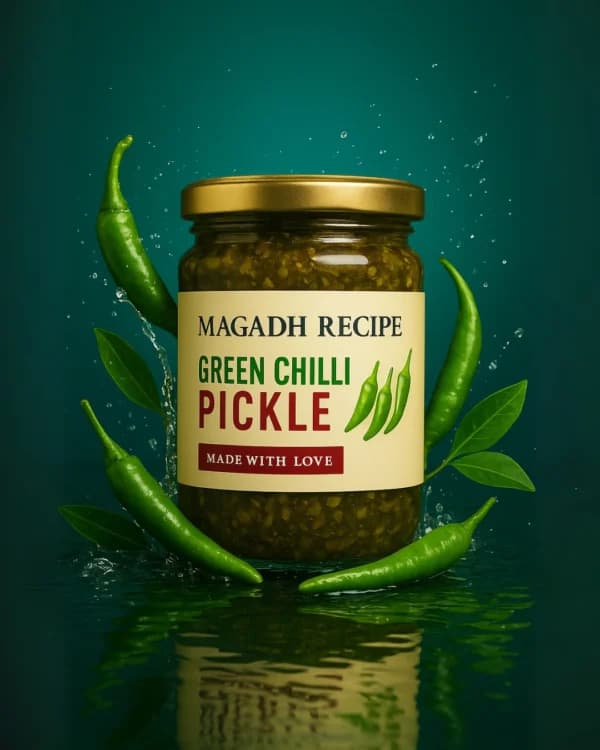
Pickles
Green Chilli Pickle | हरी मिर्च का अचार
Whole green chillies pickled in mustard oil with aromatic spices
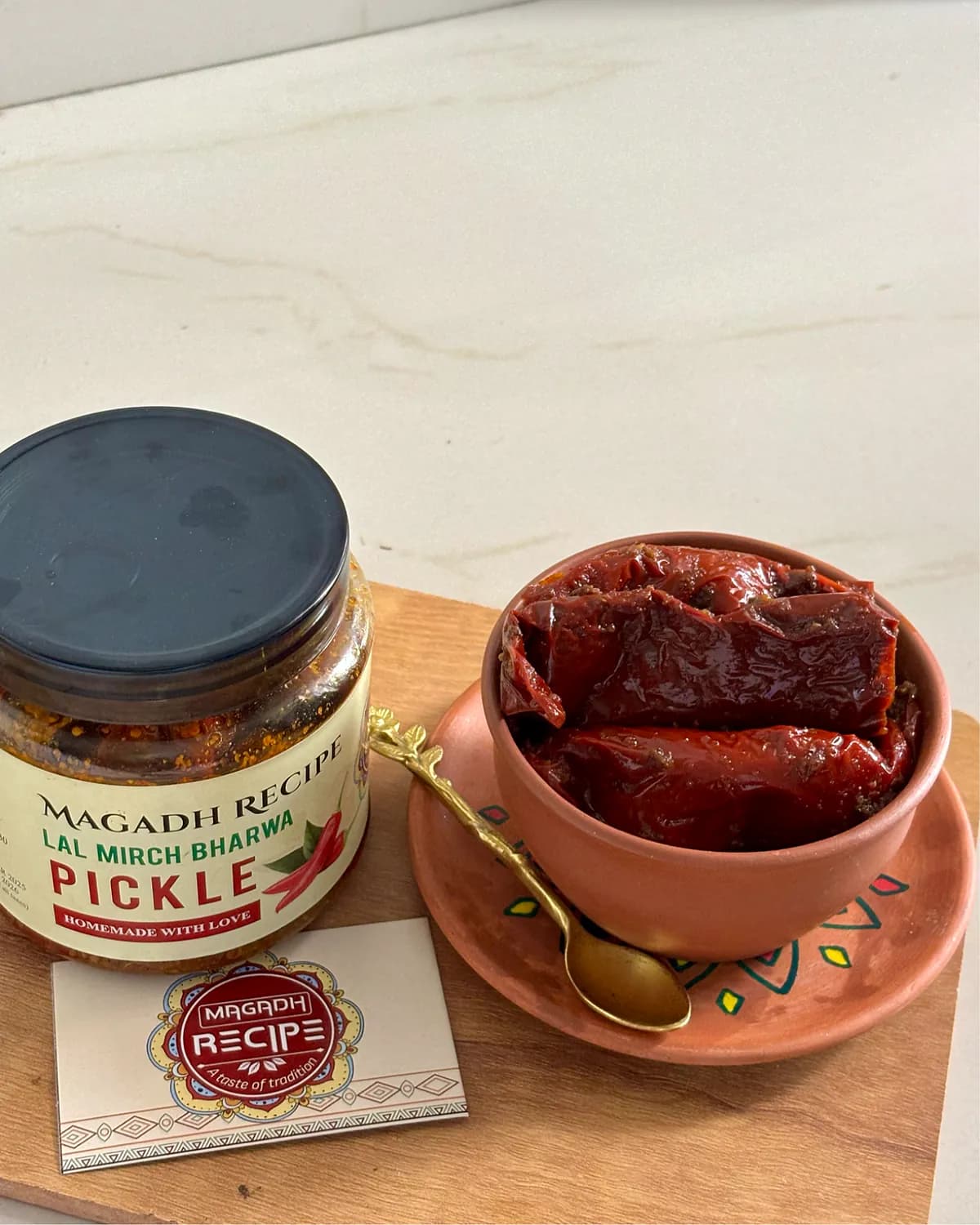
Pickles
Lal Mirch Bharua Achar | Stuffed Red Chilli Pickle
Bold stuffed red chilli pickle with hand-ground masala filling
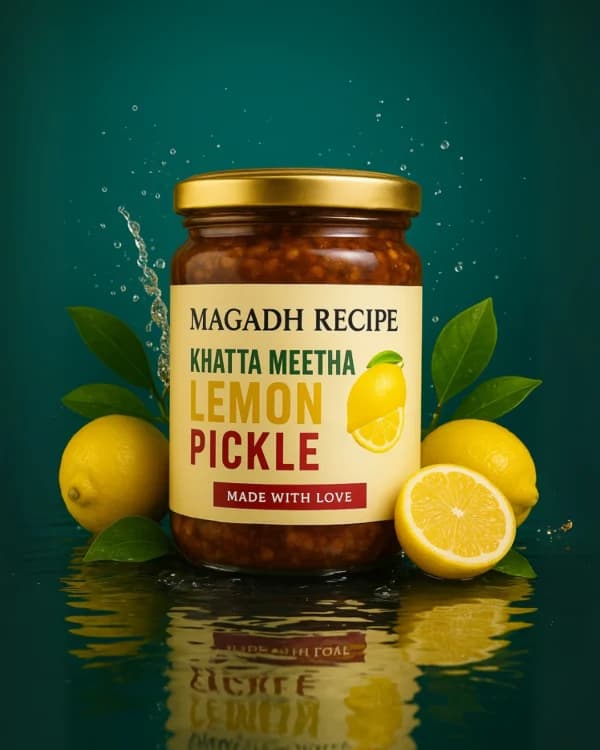
Pickles
Khatta Meetha Lemon Pickle | खट्टा मीठा नींबू का अचार
Sweet & sour lemon pickle — perfect balance of tangy and sweet


