
Stories
Bihari Aam Ka Achar: The 200-Year-Old Recipe That Tastes Like No Other
Journey into the Heart of Magadh's Prized Mango Pickle Tradition

Unravel the secrets behind Bihari Aam Ka Achar, a pickle whose rich history and distinct flavours set it apart from all other Indian mango pickles.
The scorching summer sun, the scent of raw mangoes drying on rooftops, and the comforting clatter from Dadi’s kitchen as she meticulously prepares her annual batch of achar – these are more than just memories for anyone who grew up in Bihar. They are the very essence of home, steeped in tradition and flavour. Among the myriad pickles India offers, there’s one that truly stands apart, bearing the unmistakable stamp of its origins: the glorious Bihari Aam Ka Achar. It's not merely a condiment; it's a culinary heirloom, a taste of Magadh that has been perfected over centuries, tasting unlike any other mango pickle in India.
Bihari Aam Ka Achar is distinct due to its generous use of pungent mustard oil (sarson tel), the unique aromatic blend of panch phoran spices, and a traditional sun-curing process. These elements combine to create a deeply complex, tangy, and robust flavour profile that sets it apart from other Indian mango pickles.
The Soul of Bihari Aam Ka Achar: A Legacy from Magadh
Our story begins in the ancient lands of Magadh, a region synonymous with rich history, vibrant culture, and an agricultural bounty that has sustained empires. Here, where the soil is fertile and the sun is generous, the tradition of pickle-making flourished, driven by necessity and a profound love for flavour. The Bihari Aam Ka Achar, as we know it today, is a testament to this enduring legacy, a recipe refined over an estimated 200 years, passed down through generations of astute home cooks.
What makes this traditional aam ka achar so uniquely Bihari? It’s not just the ingredients, but the philosophy behind it. In Magadh, food is about celebrating nature’s gifts, about patience, and about extracting maximum flavour from simple components. The Bihari mango achar embodies this perfectly, transforming humble raw mangoes into a symphony of tastes that awakens the palate. It’s a taste that speaks of sun-drenched orchards, the careful hands of grandmothers, and the warm hospitality of Bihari homes. While many regions have their versions of homemade mango pickle, none capture the earthy, bold, and tangy notes quite like the one from Bihar.
The Golden Elixir & The Five-Spice Magic: Mustard Oil and Panch Phoran
If Bihari Aam Ka Achar had a secret weapon, it would undoubtedly be its unique blend of fat and spices. At its heart lies the liberal use of sarson tel, or mustard oil. Unlike many other Indian mango pickles that might use groundnut or sesame oil, the pungent, almost fiery aroma of cold-pressed mustard oil is non-negotiable for authentic Bihari achar. It acts as a powerful natural preservative, but more importantly, it imparts a sharp, earthy, and nutty flavour that perfectly complements the sourness of the raw mangoes. As the achar ages, the mustard oil mellows, infusing every piece of mango with its distinctive character, deepening the overall taste profile.
Hand-in-hand with mustard oil is the legendary panch phoran – literally, 'five spices'. This whole spice blend is a cornerstone of Bihari cuisine, and its inclusion is what truly sets Bihari Aam Ka Achar apart. Panch phoran typically consists of equal parts:
- Saunf (Fennel Seeds): Sweet, anise-like aroma.
- Methi (Fenugreek Seeds): Slightly bitter, nutty flavour.
- Kalonji (Nigella Seeds): Onion-like, slightly bitter and pungent.
- Sarson (Mustard Seeds): Sharp, piquant kick.
- Jeera (Cumin Seeds): Warm, earthy notes.
Each spice in panch phoran plays a crucial role, contributing layers of aroma and flavour that evolve over time. When lightly roasted and ground (or sometimes used whole), these spices release their essential oils, mingling with the mangoes and mustard oil to create that unmistakable, complex taste profile. It’s this intricate dance between the sharp mustard oil and the aromatic panch phoran that gives Bihari mango achar its unparalleled depth and warmth, making it truly special.
The Art of Patience: Crafting Traditional Bihari Mango Pickle
Making traditional Bihari Aam Ka Achar is an exercise in patience and precision, a ritual passed down through generations. It begins with selecting the perfect raw mangoes, known as kairi. These must be firm, green, and intensely sour – the sourer, the better for a robust achar. Once selected, the mangoes undergo a meticulous preparation process:
- Washing and Drying: The mangoes are thoroughly washed to remove any dirt or residue. It’s crucial they are completely air-dried, often overnight, to ensure no moisture remains, which could lead to spoilage.
- Cutting: The kairi are then carefully cut into uniform pieces, usually medium-sized chunks, keeping the stone intact for some varieties.
- Salting and Sun-Drying (Dhoop): The cut mango pieces are generously coated with salt and turmeric, then spread out on clean cotton cloths or mats to sun-dry for several days. This process, called dhoop, is vital. The sun draws out excess moisture from the mangoes, making them firm and preventing them from becoming mushy. It also concentrates their flavour, preparing them to absorb the spices and oil.
- Spice Blending: While the mangoes dry, the spice blend is prepared. This involves dry roasting the panch phoran and other spices like red chilli powder, coriander powder, and sometimes amchur (dry mango powder) for extra tang, then coarsely grinding them.
- Mixing and Curing: The sun-dried mangoes are then mixed with the spice blend and generous quantities of heated and cooled mustard oil. This mixture is carefully transferred into sterilised ceramic jars, or barnis, ensuring the mango pieces are submerged in oil.
- Daily Sunning: The barnis are covered with a thin cloth and placed in direct sunlight for several weeks, sometimes even months. This slow curing process allows the flavours to meld, the mangoes to soften slightly, and the oil to infuse with the spices, creating that signature rich taste of Bihari Aam Ka Achar.
More Than Just a Condiment: Cultural Significance and Pairings
In Bihar, achar is not just a side dish; it’s an indispensable part of almost every meal. A plate of simple dal-chawal (lentils and rice) feels incomplete without a small piece of Bihari Aam Ka Achar on the side, its tangy burst cutting through the comforting warmth of the rice and dal. It elevates a humble paratha or roti, adding a layer of excitement and flavour that transforms the ordinary into something special. It is a taste that evokes nostalgia, a connection to one’s roots, and the comforting embrace of home. Many believe that no meal is truly satisfying without the presence of this flavourful companion.
Beyond its role in daily meals, Bihari mango pickle holds significant cultural value. It's often exchanged as a symbol of love and good wishes, a prized gift from a mother to her married daughter, carrying with it the warmth of home and family traditions. It's a reminder of collective culinary heritage, a flavour that binds communities and generations. For more ideas on how to incorporate traditional pickles into your meals, explore our guide on perfect dal-chawal pairings.
Preserving a Heritage: The Magadh Recipe Promise
In a world increasingly dominated by mass-produced foods, the art of traditional pickle-making, especially for complex recipes like Bihari Aam Ka Achar, is a heritage worth preserving. At Magadh Recipe, we understand this deeply. Our mission is to bring the authentic, handcrafted flavours of Bihar’s culinary traditions to your table, honouring the age-old methods and recipes. We meticulously source the freshest raw mangoes and the finest quality sarson tel, ensuring every batch of our authentic Bihari Aam Ka Achar captures the true essence of Magadh. Each jar is a result of patient sun-drying, hand-blended spices, and a commitment to the same time-honoured techniques your dadi might have used.
We believe that true flavour comes from authenticity and care. Our small-batch approach ensures that every mango piece is infused with the rich, bold taste that only traditional Bihari mango pickle can offer. It’s a taste that transports you straight to the heart of Bihar, without compromise. Curious about the difference? Read our comparison of homemade vs. store-bought pickles.
Beyond Taste: The Wholesome Goodness of Homemade Achar
While often seen purely as a flavour enhancer, traditional homemade pickles, when prepared correctly, also offer certain benefits. The fermentation process in many pickles introduces beneficial bacteria, aiding gut health. Moreover, the spices used in Bihari Aam Ka Achar, such as fenugreek, cumin, and fennel, are known for their digestive properties and antioxidant content in traditional Indian medicine. Mustard oil itself is rich in monounsaturated and polyunsaturated fats, which are considered healthy fats. Of course, like all good things, it's best enjoyed in moderation as a flavourful addition to your meals. To learn more about the nutritional aspects of traditional ingredients, reputable sources like the Food Safety and Standards Authority of India (FSSAI) offer valuable insights into food quality and standards.
The Bihari Aam Ka Achar is more than just a tangy condiment; it's a culinary journey, a piece of history, and a celebration of flavour that has stood the test of time. Its unique preparation, the magic of sarson tel and panch phoran, and the patient sun-curing process all converge to create a mango pickle that truly tastes like no other. It’s a testament to the rich culinary heritage of Magadh, a taste that connects us to our roots and reminds us of the profound joy found in simple, authentic flavours. We invite you to experience this legacy, one flavourful bite at a time.
Quick questions
For authentic Bihari Aam Ka Achar, firm, green, and intensely sour raw mangoes (kairi) are ideal. Specific varieties like Langra or Totapuri, though not exclusively Bihari, can be used if they possess the required tartness and firm flesh.
When prepared traditionally with ample mustard oil and stored in sterilised barnis in a cool, dry place, Bihari Aam Ka Achar can last for one to two years, often improving in flavour with age. Ensuring the mangoes are always submerged in oil helps prevent spoilage.
While you technically can use other oils, using anything other than pungent, cold-pressed mustard oil (sarson tel) would significantly alter the authentic taste and texture of Bihari Aam Ka Achar. Mustard oil is crucial for its distinctive flavour profile and traditional preservation.
Panch phoran is a unique five-spice blend consisting of whole fenugreek, nigella, cumin, mustard, and fennel seeds. It's special for Bihari pickle because its balanced aromatic and pungent notes are essential to the regional flavour profile, providing a deep, complex taste not found in other Indian mango pickles.
Bihari Aam Ka Achar can range from moderately spicy to quite fiery, depending on the amount of red chilli powder used. Generally, it has a distinct kick from the mustard oil and chillies, balanced by the tang of mangoes and the aroma of panch phoran.
To prevent spoilage, homemade mango pickle should be stored in clean, sterilised ceramic barnis or glass jars. Ensure the mango pieces are always submerged in oil, and use a clean, dry spoon for serving. Store in a cool, dry place away from direct sunlight, and occasionally sun the jar for a few hours.
Bihari specialities
Explore our full Bihar achar online collection — aam, lal mirch, oal, kathal & more.
From our kitchen
Shop the pickles in this story
Handcrafted in small batches with cold-pressed mustard oil. Free shipping above ₹499.
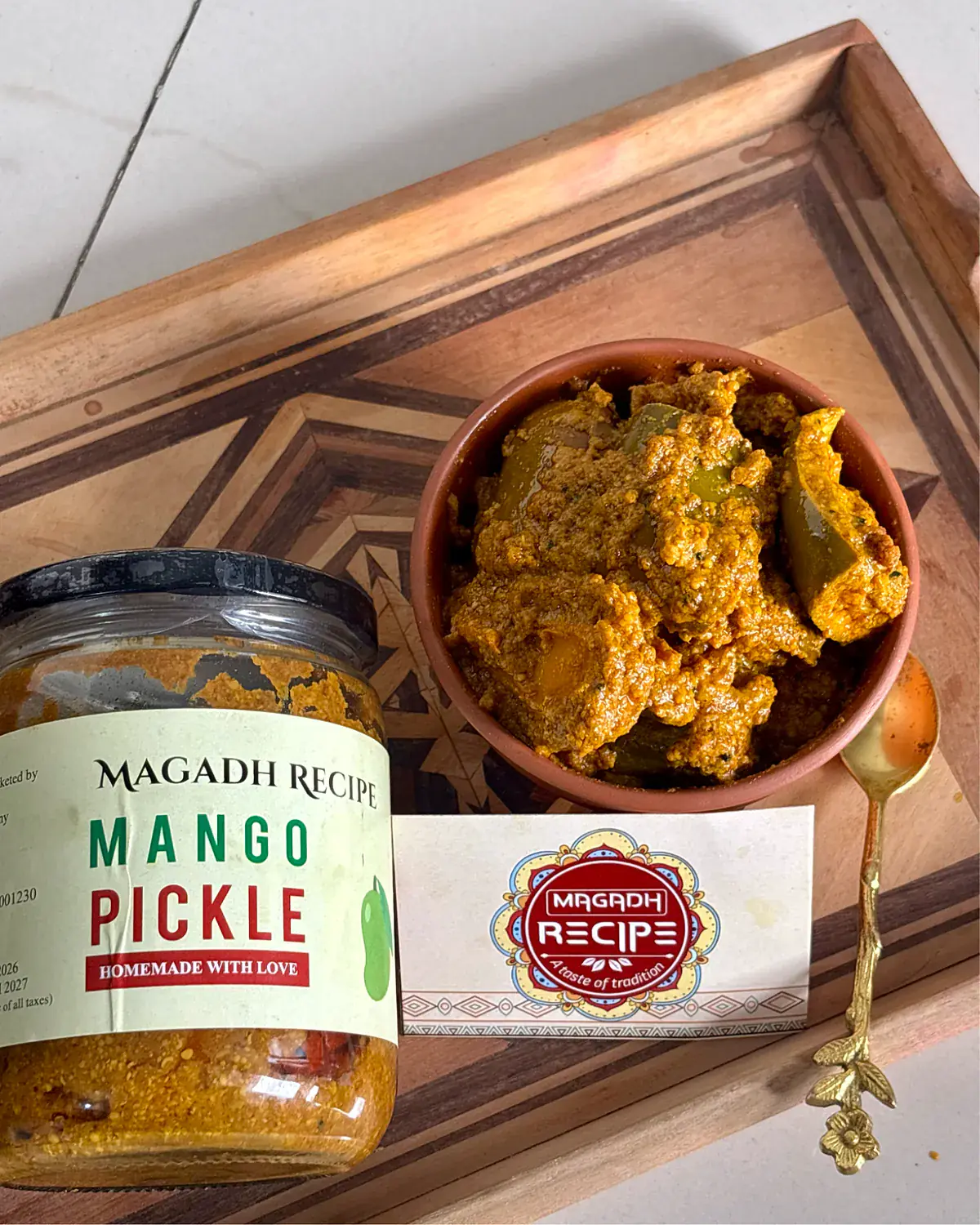
Pickles
Mango Pickle
Pure Bihari Mangoes, Power of Mustard Oil
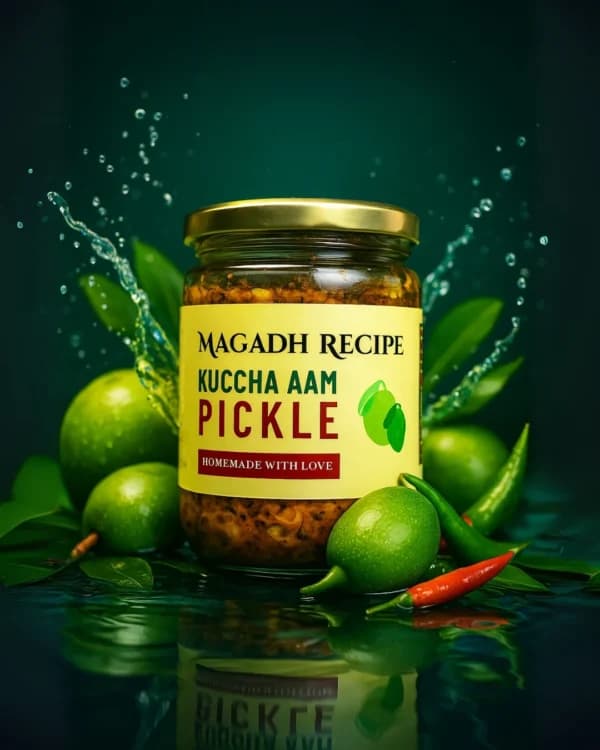
Pickles
Aam Kuccha Pickle | आम कुच्चा का अचार
Classic raw mango pickle — the king of achars
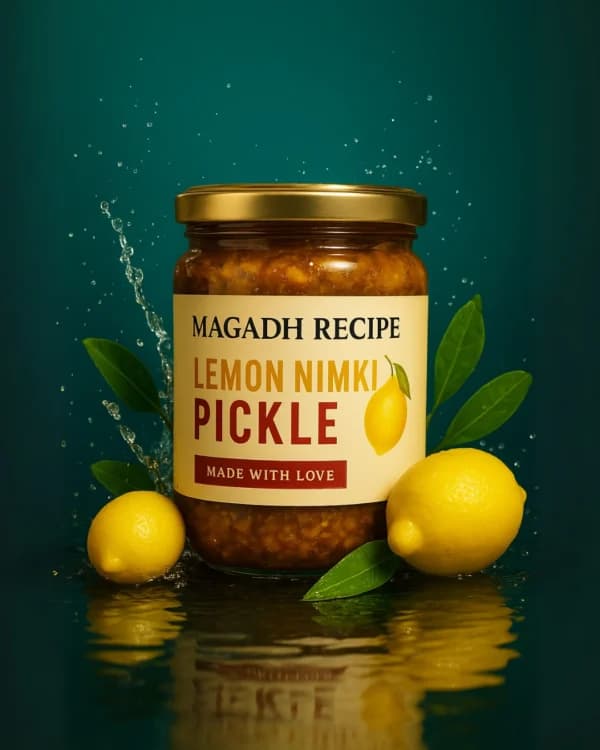
Pickles
Lemon Nimki Pickle | नींबू निमकी अचार
Crunchy lemon pickle with a unique nimki-style texture


