
Stories
Authentic Bihari Aam Ka Achar Recipe: Step-by-Step with Mustard Oil & Panch Phoran
Unlocking the Secrets of Bihar's Beloved Summer Pickle

Dive into the vibrant world of Bihari Aam Ka Achar, a beloved mango pickle crafted with the distinctive flavours of mustard oil and the aromatic panch phoran spice blend. This comprehensive guide will walk you through every step to create a homemade masterpiece.
The moment the summer sun begins to blaze over the plains of Bihar, a familiar aroma starts to waft from every home – the irresistible, sharp, and spicy scent of freshly made aam ka achar. It’s a symphony of tangy raw mangoes, pungent mustard oil, and a chorus of toasted spices, all harmonising under the watchful eye of dadi and nani. This isn't just a condiment; it’s a culinary heirloom, a taste of home, and a testament to generations of wisdom.
For us at Magadh Recipe, the making of Bihari Aam Ka Achar is more than a process; it's a ritual steeped in tradition, patience, and a deep respect for natural flavours. Today, we invite you to step into our kitchen, metaphorically speaking, as we unravel the secrets to creating the most authentic Bihari Aam Ka Achar recipe you'll ever encounter – the kind that takes you back to childhood summers, spoonful by delicious spoonful.
Bihari Aam Ka Achar is a traditional Indian mango pickle, renowned for its distinct fiery flavour and robust aroma, primarily achieved through the generous use of pungent mustard oil and the unique five-spice blend known as panch phoran. It is typically prepared during the summer months when raw green mangoes are abundant.
The Soul of Summer: Why Achar Matters
In India, achar is not just a side dish; it's an emotion. It’s the culinary exclamation mark that elevates a simple meal to a memorable feast. From a basic dal-chawal to an elaborate thali, a dollop of homemade aam ka achar brings a burst of flavour, a jolt of acidity, and a comforting warmth that is uniquely Indian. For centuries, pickling has been a revered art, a method of preserving the bounty of nature to be enjoyed year-round, long before refrigeration became commonplace. It's an ingenious way to capture the essence of fleeting seasons, ensuring that the tangy joy of raw mangoes can be savoured even when the trees are bare.
The cultural significance of aam ka achar runs deep, especially in regions like Magadh. It’s a cornerstone of Bihari cuisine, celebrated for its bold, unapologetic flavours. Every family has its own nuanced version, a slight tweak in the spice blend, a secret ingredient passed down through generations. To make aam ka achar is to partake in a time-honoured tradition, to connect with our culinary roots, and to craft something truly special with our own hands.
What Makes Bihari Aam Ka Achar Unique?
While mango pickle recipes abound across India, the Bihari Aam Ka Achar stands distinctively apart. The secret lies primarily in two key ingredients: sarson tel (mustard oil) and panch phoran.
The Magic of Mustard Oil
Unlike many other regional pickles that might use groundnut or sesame oil, Bihari achar relies almost exclusively on cold-pressed mustard oil. This isn't just any oil; its pungent, sharp flavour is fundamental to the Bihari taste profile. When heated and then allowed to cool, mustard oil mellows slightly but retains its characteristic bite, acting as both a preservative and a flavour enhancer. It imbues the mangoes with a warmth and depth that no other oil can replicate, creating that unmistakable aroma that instantly signals a Bihari kitchen.
The Aromatic Panch Phoran
Panch phoran, meaning 'five tempering spices,' is the heart and soul of many Bihari preparations, and especially this homemade aam ka achar. It's a unique blend of five whole spices: saunf (fennel seeds), sarson (mustard seeds), kalonji (nigella seeds), methi (fenugreek seeds), and sabut jeera (cumin seeds). Each spice contributes its own distinct flavour profile – the sweetness of fennel, the sharpness of mustard, the oniony notes of kalonji, the slight bitterness of fenugreek, and the earthiness of cumin. When dry-roasted and freshly ground, this medley creates an aromatic foundation that is simply intoxicating.
Choosing Your Mangoes: The Foundation of Flavour
The success of your traditional mango pickle hinges almost entirely on the quality of your raw mangoes. For an authentic Bihari Aam Ka Achar recipe, you need firm, unripe, sour green mangoes. Look for varieties like Ramkela, Desi, or Totapuri, which are fibrous and tangy, perfect for pickling. They should be free from blemishes, soft spots, or any signs of ripening.
Prepping the Mangoes: A Crucial First Step
- Selection: Choose firm, dark green, unripe mangoes.
- Washing: Wash them thoroughly under running water to remove any dirt or residue.
- Drying: This is perhaps the most critical step. After washing, wipe each mango completely dry with a clean cloth. Then, spread them out on a clean sheet or newspaper in a shaded, airy spot for at least 4-6 hours, or even overnight. Absolutely no moisture should remain on the mangoes, as it can lead to spoilage.
- Cutting: With a sharp, sturdy knife or a traditional mango cutter, cut the mangoes into desired pieces. Bihari achar typically features medium-sized, roughly 1-inch chunks, sometimes with the stone still attached if it's tender enough. Remove any soft pulp around the seed.
- Salting & Sunning: Once cut, place the mango pieces in a large, clean bowl. Add a generous amount of rock salt and turmeric powder. Mix well, ensuring every piece is coated. Cover the bowl with a thin cloth and let it sit for 24-48 hours. During this time, the salt will draw out excess moisture from the mangoes. Gently stir occasionally.
- Final Drying: After salting, spread the mango pieces on a clean cotton sheet or a bamboo mat in direct sunlight for 1-2 days. This sun-drying process is vital for reducing moisture content, concentrating flavour, and ensuring a longer shelf life. The mango pieces should look slightly shrivelled but still retain their green colour. Bring them indoors at night to protect from dew.
This meticulous preparation ensures the mangoes are ready to absorb the spices and oil, preventing spoilage and building the robust texture characteristic of a good homemade aam ka achar.
Mastering the Spices: The Heart of Your Bihari Aam Ka Achar Recipe
The spice blend for Bihari Aam Ka Achar is a carefully balanced symphony of flavours. Each spice plays a vital role, contributing to the pickle's signature taste and aroma.
The Panch Phoran and Other Aromatic Treasures
We've discussed panch phoran, but it's not alone. Other key spices include red chilli powder (for heat and colour), turmeric (for colour and antiseptic properties), black pepper, and sometimes a touch of amchur (dry mango powder) if the mangoes aren't sour enough, though typically Bihari achar relies on the raw mango's natural tang.
Roasting and Grinding: Unleashing the Aromas
The secret to a potent spice blend is proper roasting. Dry-roast the whole spices (panch phoran ingredients) separately or together on a low flame until fragrant, taking care not to burn them. This process awakens their essential oils, intensifying their flavour. Once cooled, grind them coarsely. The texture should not be a fine powder but rather a rustic, slightly chunky mix that provides a satisfying bite in the finished pickle.
The Authentic Bihari Aam Ka Achar Recipe: A Step-by-Step Guide
This traditional mango pickle making process requires patience and attention to detail, but the reward is immense. You'll understand why this authentic Bihari Aam Ka Achar recipe is so cherished.
Ingredients:
- 1 kg raw green mangoes (firm, unripe)
- 1/2 cup rock salt (or to taste)
- 2 tablespoons turmeric powder
- 1 cup mustard oil (sarson tel), extra for topping
- 4 tablespoons panch phoran (equal parts fennel seeds, mustard seeds, nigella seeds, fenugreek seeds, cumin seeds)
- 4 tablespoons yellow mustard seeds (sarson)
- 2 tablespoons black mustard seeds (rai)
- 4 tablespoons red chilli powder (adjust to your spice preference)
- 2 tablespoons coriander powder
- 1 tablespoon black pepper powder
- 1 tablespoon kalonji (nigella seeds), extra for whole
- 1 tablespoon saunf (fennel seeds), extra for whole
- 1 teaspoon methi (fenugreek seeds), extra for whole
- 1/2 teaspoon asafoetida (hing)
- Sterilised glass barnis or jars for storage
Instructions:
- Prepare the Mangoes: Wash mangoes thoroughly and wipe completely dry. Cut into 1-inch pieces, discarding the inner seed if hard. In a large bowl, mix mango pieces with 1/2 cup rock salt and 2 tablespoons turmeric powder. Cover with a thin cloth and let it rest for 24-48 hours, stirring occasionally. The mangoes will release water.
- Sun-Dry the Mangoes: Drain any released water from the mangoes. Spread the mango pieces evenly on a clean cotton cloth or mat in direct sunlight for 1-2 days. They should shrink slightly and feel dry to the touch. Bring indoors at night. Ensure they are completely dry to prevent mold.
- Prepare the Whole Spices: In a dry pan, gently dry-roast the panch phoran blend (fennel, mustard, nigella, fenugreek, cumin seeds) on a low flame until fragrant (about 2-3 minutes). Let cool completely.
- Grind the Spices: Once cooled, coarsely grind the roasted panch phoran. In a separate grinder, coarsely grind the yellow and black mustard seeds. You want a coarse texture, not a fine powder.
- Prepare the Mustard Oil: Heat 1 cup of mustard oil in a heavy-bottomed pan until it just begins to smoke lightly. This removes its raw pungency. Turn off the heat and let the oil cool down completely to room temperature. This step is crucial for flavour and longevity.
- Combine Spices and Mangoes: In a very large, clean, and dry mixing bowl, combine the sun-dried mango pieces, the coarsely ground panch phoran, coarsely ground mustard seeds, red chilli powder, coriander powder, black pepper powder, remaining whole kalonji, saunf, and methi, and asafoetida. Mix everything very well with your hands (wearing gloves is recommended) or a large spoon, ensuring the mangoes are evenly coated with the spices.
- Add Cooled Oil: Pour the completely cooled mustard oil over the spice-coated mangoes. Mix thoroughly again, ensuring every piece is glistening with oil and spices.
- Jar the Achar: Carefully transfer the prepared achar into sterilised glass barnis or jars. Press down lightly to remove air pockets.
- Sun-Cure the Achar: Pour additional mustard oil on top, ensuring the mango pieces are completely submerged. This layer of oil acts as a protective seal. Cover the jar mouth with a clean muslin cloth (secured with a string or rubber band) instead of a tight lid for the first few days. Place the jars in direct sunlight for 7-10 days, bringing them indoors at night. Shake the jar gently once a day to ensure even curing. The sunlight is key for the flavours to meld and for the pickle to mature.
- Seal and Store: After 7-10 days of sunning, remove the muslin cloth and replace it with a tight-fitting lid. Your homemade aam ka achar is now ready to enjoy! Store it in a cool, dry place. Always use a clean, dry spoon to serve to prevent spoilage.
Sun-Kissed Perfection: Curing and Storing Your Homemade Achar
The journey doesn't end once the achar is jarred. The sun-curing process is what truly transforms the raw ingredients into the flavour bomb we adore. The sun's warmth helps the spices infuse deeply into the mangoes, tenderising them naturally while preserving their crunch. It's an age-old technique, a natural form of slow cooking that develops incredible depth of flavour. Remember, patience is a key ingredient here.
Tips for Longevity:
- Sterilisation: Always use thoroughly sterilised and completely dry jars.
- Oil Layer: Ensure the mango pieces are always submerged under a layer of mustard oil. This acts as a natural barrier against air and moisture, preventing spoilage.
- Cleanliness: Always use a clean, dry spoon to take out the achar. Introduce no moisture!
- Storage: Store your achar in a cool, dark place. While sun-curing is essential initially, prolonged direct sunlight after it's matured can degrade its quality.
- Regular Checks: Periodically check your achar for any signs of mold. If you spot any, remove it immediately.
By following these steps, your homemade aam ka achar will not only taste incredible but will also last for well over a year, becoming more flavourful with time. For more tips on preserving traditional foods, you might find this article on traditional Indian fermentation techniques insightful.
Beyond the Recipe: The Magadh Recipe Difference
While making achar at home is a cherished ritual, we understand that modern life doesn't always allow for such elaborate culinary adventures. That's why at Magadh Recipe, we strive to bring you the same authentic, handcrafted taste of Bihar, straight from our kitchen to yours. Our process mirrors these traditional methods – carefully selected raw mangoes, freshly ground panch phoran, and pure mustard oil, all combined with the love and expertise passed down through generations. Each jar of our Magadh Recipe Aam Ka Achar is a promise of quality, tradition, and an unforgettable burst of Bihari flavour.
We believe that everyone deserves to experience the true taste of Bihar, whether it's through the joy of making it yourself with this authentic Bihari Aam Ka Achar recipe, or by simply opening a jar of our ready-to-eat treasures. So, go ahead, embrace the summer, and let the magic of homemade mango pickle fill your home and your plate!
Recipe at a glance
Prep time
60 min
Cook time
20 min
Serves
Approx. 1.5 kg
Cuisine
Bihari
Ingredients
- 1 kg raw green mangoes (firm, unripe)
- 1/2 cup rock salt (or to taste)
- 2 tablespoons turmeric powder
- 1 cup mustard oil (sarson tel), plus extra for topping
- 4 tablespoons panch phoran (equal parts fennel seeds, mustard seeds, nigella seeds, fenugreek seeds, cumin seeds)
- 4 tablespoons yellow mustard seeds (sarson)
- 2 tablespoons black mustard seeds (rai)
- 4 tablespoons red chilli powder (adjust to your spice preference)
- 2 tablespoons coriander powder
- 1 tablespoon black pepper powder
- 1 tablespoon kalonji (nigella seeds), extra for whole
- 1 tablespoon saunf (fennel seeds), extra for whole
- 1 teaspoon methi (fenugreek seeds), extra for whole
- 1/2 teaspoon asafoetida (hing)
- Sterilised glass barnis or jars for storage
Method
- Wash mangoes thoroughly and wipe completely dry. Cut into 1-inch pieces, discarding the inner seed if hard. In a large bowl, mix mango pieces with 1/2 cup rock salt and 2 tablespoons turmeric powder. Cover with a thin cloth and let it rest for 24-48 hours, stirring occasionally. The mangoes will release water.
- Drain any released water from the mangoes. Spread the mango pieces evenly on a clean cotton cloth or mat in direct sunlight for 1-2 days. They should shrink slightly and feel dry to the touch. Bring indoors at night. Ensure they are completely dry to prevent mold.
- In a dry pan, gently dry-roast the panch phoran blend (fennel, mustard, nigella, fenugreek, cumin seeds) on a low flame until fragrant (about 2-3 minutes). Let cool completely.
- Once cooled, coarsely grind the roasted panch phoran. In a separate grinder, coarsely grind the yellow and black mustard seeds. You want a coarse texture, not a fine powder.
- Heat 1 cup of mustard oil in a heavy-bottomed pan until it just begins to smoke lightly. Turn off the heat and let the oil cool down completely to room temperature. This step is crucial for flavour and longevity.
- In a very large, clean, and dry mixing bowl, combine the sun-dried mango pieces, the coarsely ground panch phoran, coarsely ground mustard seeds, red chilli powder, coriander powder, black pepper powder, remaining whole kalonji, saunf, and methi, and asafoetida. Mix everything very well with your hands (wearing gloves is recommended) or a large spoon, ensuring the mangoes are evenly coated with the spices.
- Pour the completely cooled mustard oil over the spice-coated mangoes. Mix thoroughly again, ensuring every piece is glistening with oil and spices.
- Carefully transfer the prepared achar into sterilised glass barnis or jars. Press down lightly to remove air pockets.
- Pour additional mustard oil on top, ensuring the mango pieces are completely submerged. This layer of oil acts as a protective seal. Cover the jar mouth with a clean muslin cloth (secured with a string or rubber band) instead of a tight lid for the first few days. Place the jars in direct sunlight for 7-10 days, bringing them indoors at night. Shake the jar gently once a day to ensure even curing.
- After 7-10 days of sunning, remove the muslin cloth and replace it with a tight-fitting lid. Your homemade aam ka achar is now ready to enjoy! Store it in a cool, dry place. Always use a clean, dry spoon to serve to prevent spoilage.
Quick questions
When prepared correctly with adequate sun-drying and completely submerged in mustard oil, homemade Bihari aam ka achar can last for 1 to 2 years, or even longer, when stored in a cool, dark place and handled with a clean, dry spoon.
While it's possible to skip direct sun-drying for the mangoes after salting, it is not recommended for an authentic Bihari Aam Ka Achar recipe. Sun-drying is crucial for extracting excess moisture, concentrating flavours, and naturally preserving the pickle. Skipping this step significantly reduces shelf life and can affect texture and taste.
For traditional Bihari aam ka achar, firm, raw, and very sour green mangoes are ideal. Varieties like Ramkela, Desi, or Totapuri work wonderfully due to their tanginess and fibrous texture that holds up well during pickling.
Mustard oil is central to Bihari pickles for its pungent flavour, natural preservative qualities, and warming properties. It imparts a unique depth and aroma that is characteristic of the region. While you could technically substitute with other oils, the pickle would lose its authentic Bihari flavour profile. We strongly advise against substitution for this traditional mango pickle.
To prevent mold, ensure mangoes are completely dry before mixing, jars are thoroughly sterilised and dry, the mango pieces remain fully submerged under a layer of mustard oil, and you always use a clean, dry spoon to serve. Proper sun-curing also reduces moisture, which is key to preventing mold.
Panch phoran is a unique five-spice blend crucial to Bihari cuisine, consisting of whole fenugreek seeds, nigella seeds (kalonji), cumin seeds, black mustard seeds, and fennel seeds. Its distinct aromatic profile is integral to Bihari Aam Ka Achar. While you can find panch phoran pre-mixed, individual spices should ideally not be substituted if you want to achieve the authentic flavour.
If your raw mangoes are not as sour as desired, you can add 1-2 tablespoons of amchur (dry mango powder) to the spice mix. However, traditional Bihari Aam Ka Achar relies on the natural tang of the mangoes, so selecting very sour mangoes is best.
Bihari specialities
Explore our full Bihar achar online collection — aam, lal mirch, oal, kathal & more.
From our kitchen
Shop the pickles in this story
Handcrafted in small batches with cold-pressed mustard oil. Free shipping above ₹499.
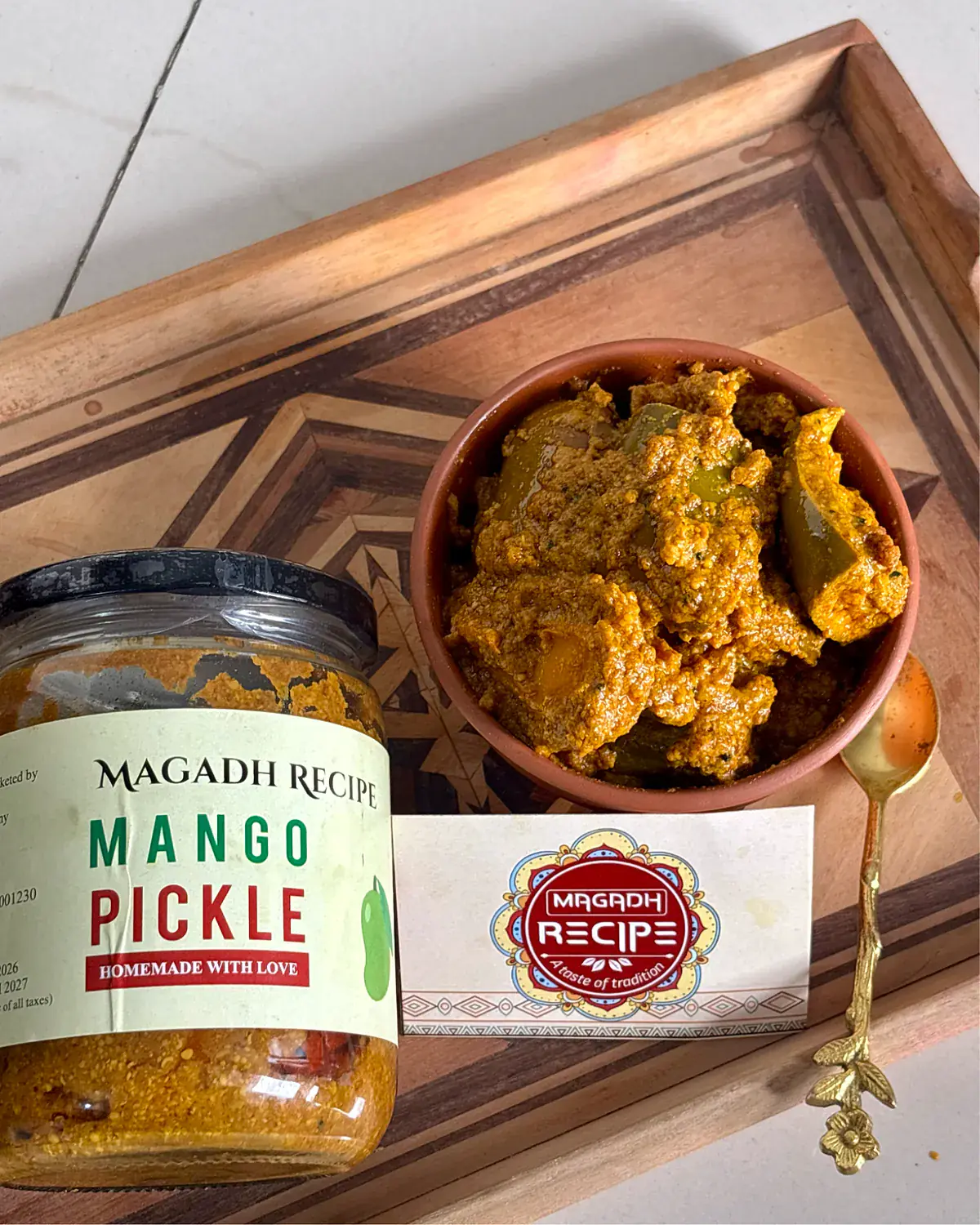
Pickles
Mango Pickle
Pure Bihari Mangoes, Power of Mustard Oil
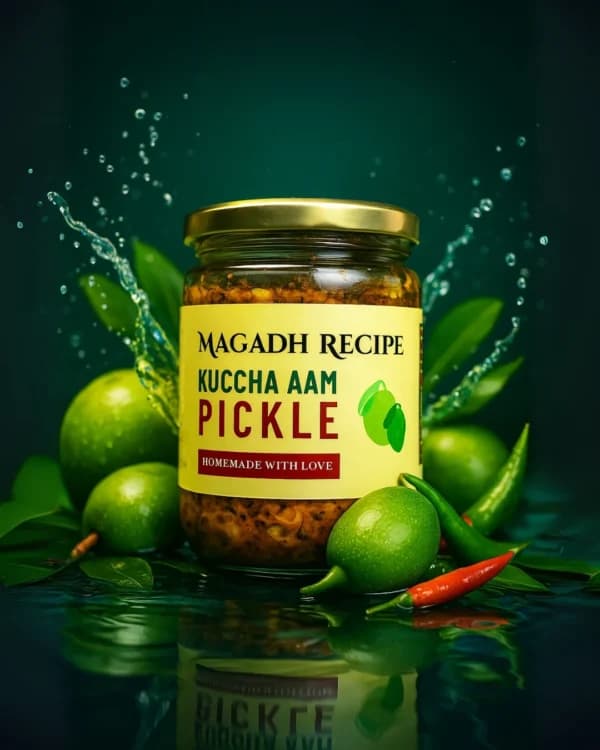
Pickles
Aam Kuccha Pickle | आम कुच्चा का अचार
Classic raw mango pickle — the king of achars
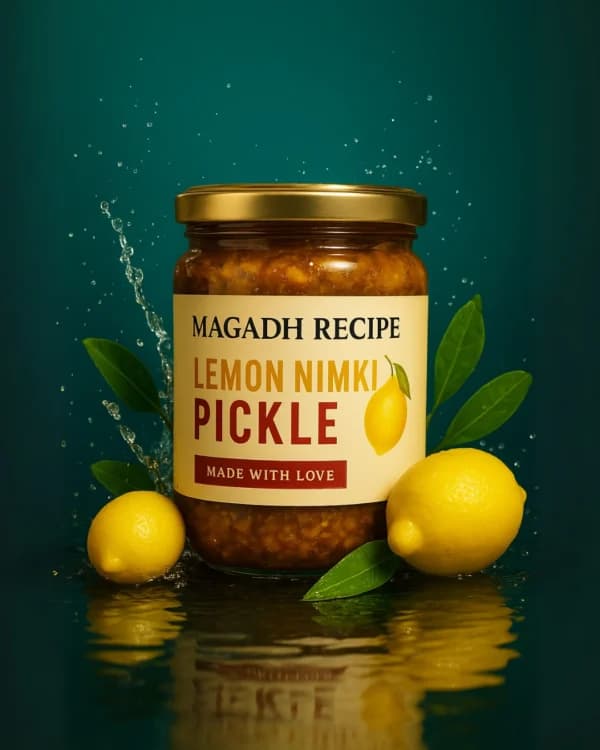
Pickles
Lemon Nimki Pickle | नींबू निमकी अचार
Crunchy lemon pickle with a unique nimki-style texture


